


Share This Article
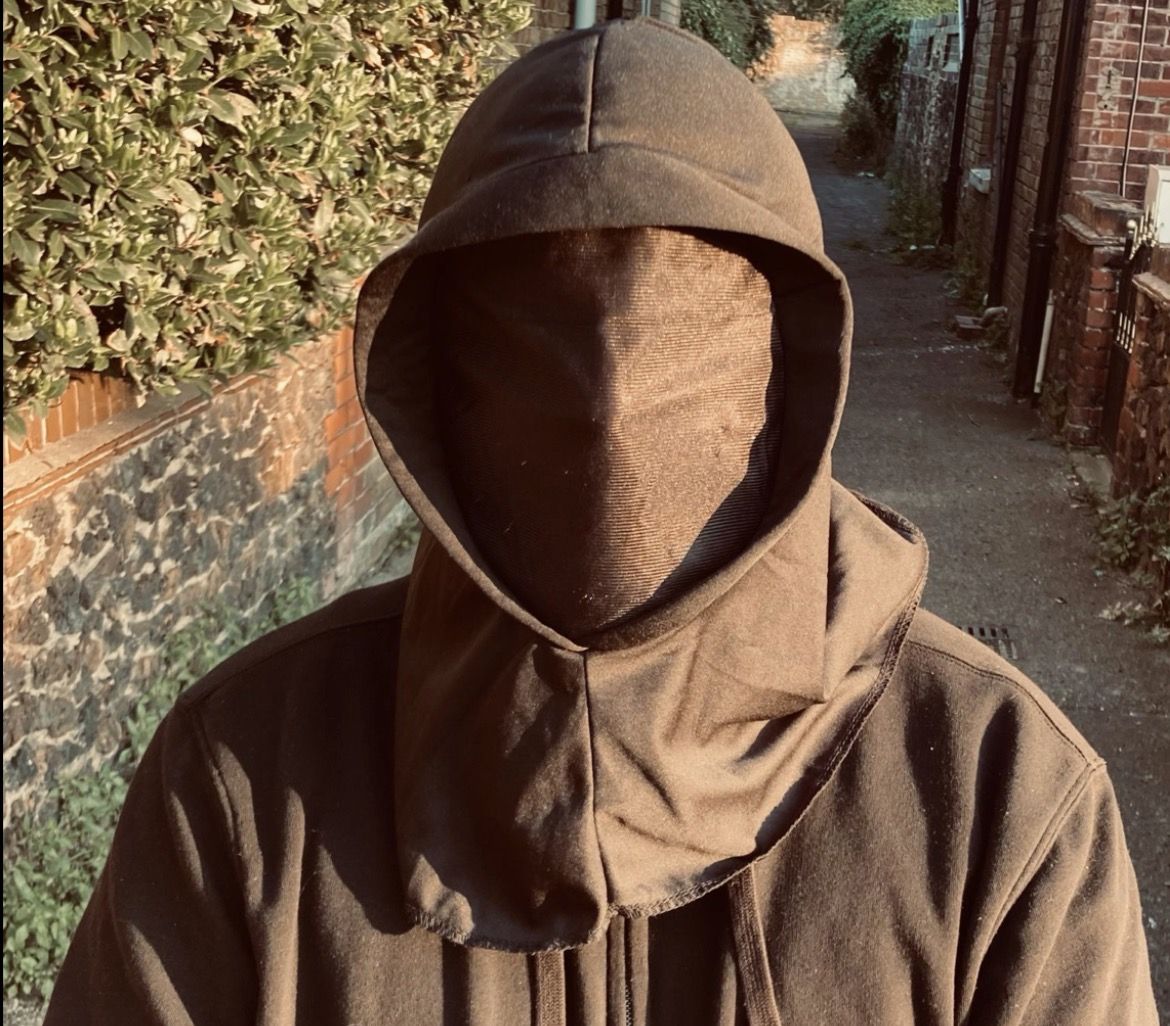
Cestrian — the electro project of Ali Renault — has been quietly developing its own language for almost two decades. Since emerging in 2006, the project has explored the intersection of ancient folklore, landscape and analogue electronics, transforming the mysteries and mythology of Chester into dark, cinematic machine music.
Now, after releases on respected underground labels including Bunker, MNX, Unknown To The Unknown, Human Shield and Dalmata Daniel, Cestrian presents Southview Community Center, its long-awaited debut album on Vivod.
Across eight tracks, the album brings together razor-sharp drum programming, brooding analogue synthesis and hypnotic machine funk. Dark and immersive but always functional, Southview Community Center moves between dystopian futurism and timeless electro, reflecting both Cestrian’s roots and Ali Renault’s distinctive approach to the genre.
Conceived as a soundtrack for uncertain times, the album is music for clearing the mind, fuelling the imagination and finding a small glimmer of hope in otherwise darker surroundings.
We spoke with Ali Renault about the origins of Cestrian, the mythology and landscape behind the project, the making of Southview Community Center, and what has kept him exploring the darker edges of electro for nearly twenty years.
Southview Community Center has been a long time coming. What made now the right moment to finally present Cestrian’s debut album?
I’ve been toying with the idea for a while, but decided to commit to an LP a couple of years ago and it came together pretty quickly. The album title was decided upon 20 years ago. I just had to find the time to get into the headspace for writing a larger body of work.
The project has always drawn on pagan folklore, ancient mysteries and the landscape of Chester. How did those ideas shape the writing and atmosphere of Southview Community Center?
Not strictly, but they are subject matters I try to stick to so I don’t veer off path too much. These ideas generally shape the sound and mood of the Cestrian project anyway.
There’s a strong tension on the album between dark, dystopian atmospheres and the more functional side of electro. How important was it for you to maintain that balance between listening music and dancefloor functionality?
I couldn’t give a shit about whether it fits either the dancefloor or simply listening music. Selfishly, I only write to satisfy myself. If I’m not feeling it in the studio, it simply doesn’t work for me. My influences are rooted largely in Detroit techno and horror films and music, so this is the result.
You describe the album as a soundtrack for uncertain times. What kind of uncertainty were you responding to while making these tracks?
The world is a worrying place these days, and I guess I’m sort of reflecting the panic of the zeitgeist. The uncertainty of these times is itself an influence on the music.
Cestrian has been active since 2006, with releases on labels including Bunker, MNX and Unknown To The Unknown. How has your approach to the project evolved over those two decades?
I’m not sure it has evolved, haha! Maybe in the sense of production quality a bit. I definitely have better techniques than I did when I started the project 20 years ago, but the sentiment is still the same.
The album combines analogue synthesis, intricate drum programming and a distinctly cinematic quality. What was your studio process like when developing the sound of the record?
No different to the usual. I’m a creature of habit. I still program everything the same way I always have done, using a DAW with mainly analogue synths.
Southview Community Center feels deeply rooted in Cestrian’s existing mythology, but also like a new chapter. What do you feel this album reveals about the project that previous releases couldn’t?
Southview Community Centre was actually a venue in Chester where a lot of local bands would play. For some of us, it was where we put on our first events and met other bands, a lot of whom have remained friends to this day: Delirium, Fish Pie, Purple Rizzla Experience, The Beguiled, Bloom Candles, Mortuary, Bubble Fish and Pondlife, to name a few.
The building was demolished some 20-odd years ago and the site was developed into residential property, so it has now become a bit of folklore. The album was intended to pay tribute to the venue and Chester, as is the Cestrian project as a whole.
After almost 20 years of Cestrian, what does releasing a debut album mean to you, and where do you see the project going from here?
I’m very happy to have finally put an album out under this project, and specifically this one, as it has been in my mind for so long. It also feels right to put it out now, although some might consider 20 years a little late for a debut album. It just never felt like the right time until now.
From here, I will keep playing live — no DJ sets as Cestrian, as usual — and continue to develop that, while maintaining my output as best I can.
Stream | Buy Link (Vinyl) | Buy Link (Digital)
Socials:
