


Share This Article
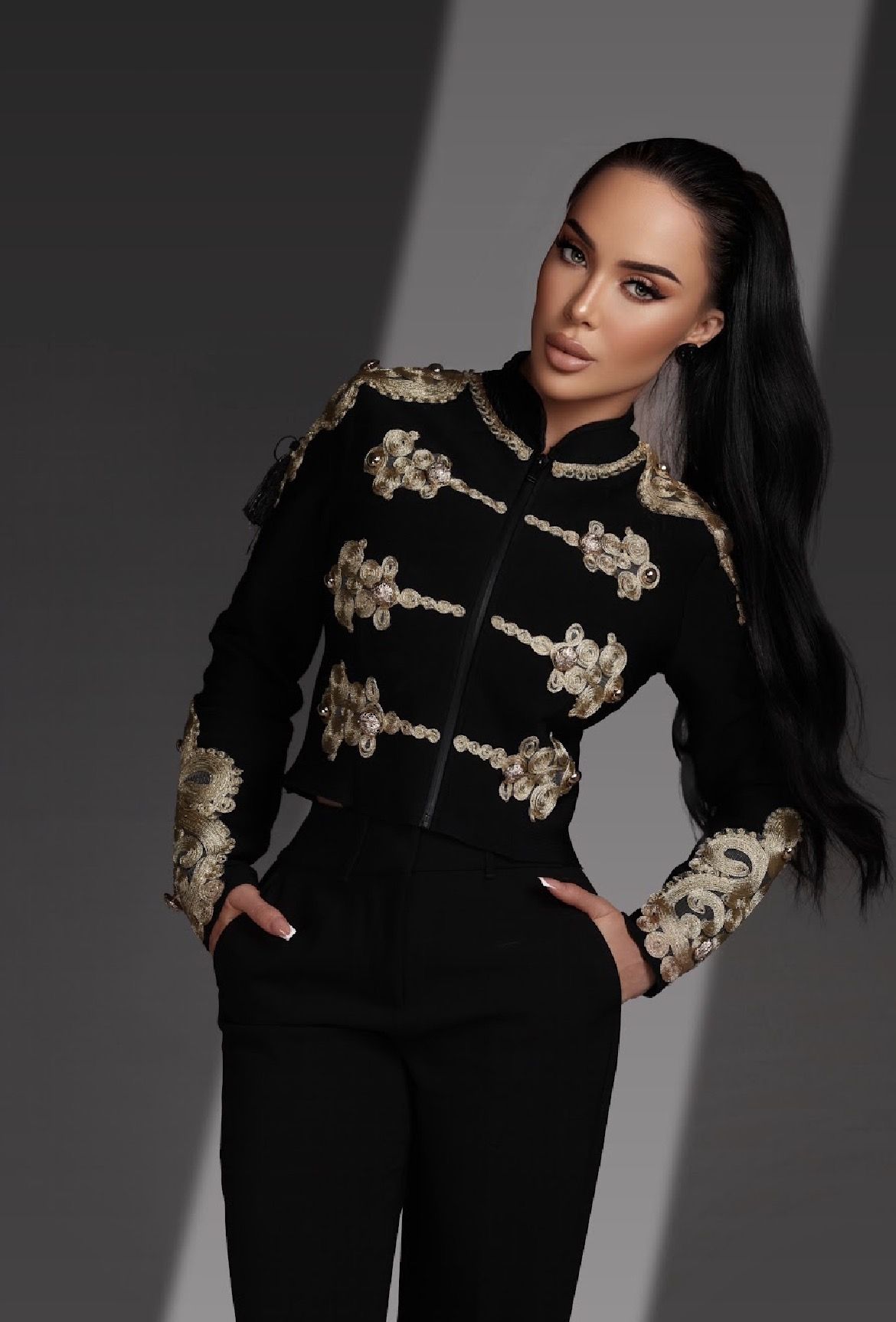
Behind a single perfect image for a fashion magazine can be months of preparation, hours of fittings, cold, heat, uncomfortable shoes and dozens of takes. International model Kristina Lytvynenko, whose professional background includes fashion and beauty projects as well as work with international publications, shared what really happens behind the scenes of glamorous photo shoots. She also explained how the American approach to fashion differs from the European one and why today she evaluates magazine covers not only by how beautiful the final image looks.
You have appeared on the covers of international magazines multiple times. How difficult is it to receive such an offer?
My portfolio includes work with international publications such as Harper’s Bazaar, Glamour, ELLE and others, so editorial work now holds an important place in my career.
A cover is never just one successful photograph. Behind it are your portfolio, the team, the concept, your reputation, professional connections, how well you fit the aesthetic of a particular publication, and a tremendous amount of work that the reader will never see. Decisions are often made months before the shoot, and your name has to be part of that conversation before anyone even picks up a camera.
At the beginning of your career, simply getting into an international magazine feels like a huge goal.
Later, your mindset changes. The question is no longer, “How do I get into a magazine?” but rather, “What does this particular publication contribute to my professional positioning?” Not every cover works in your favor.
That is why, for me, it is not about having as many covers as possible. What matters is their quality and the place they hold in my professional journey.
Getting on a cover is an achievement. Building a career in which international covers become a natural result of your work is much more difficult.
What stays “behind the scenes” of beautiful photo shoots that most people have no idea about?
Practically everything that was difficult.
The viewer sees one perfect shot. They do not see the 4 a.m. wake-up call, several hours of hair and makeup, fittings, shoes two sizes too big, clothes pinned at the back, the heat, wind, cold, or thirty takes needed to get that one perfect frame.
A classic situation is when the model looks completely relaxed in a light dress in the photograph, while in reality there is strong wind on location and the temperature is so low that a normal person would not even leave the house. Between takes, someone wraps you in a jacket, then takes it off, and you have to look as though you are perfectly comfortable again.
That is part of professionalism.
The viewer should not see how difficult it was to create the image. They should see only the story and the emotion.
Which shoot has been the most extreme or emotional for you?
For me, the most emotional shoots are not necessarily the most physically demanding ones.
The projects I remember most vividly are those where everything comes together at once: the concept, the team, the location, the look and my own state of mind that day. It happens less often than people might think — usually, at least one element is missing.
Sometimes, from the very first shots on the screen, you realize that the team has created something more than just beautiful fashion content. There is no mistaking that feeling, and it stays with you for a long time.
Over the years, photography has stopped being about how beautiful I look in a particular image.
The strongest photograph is one where a person does not simply see a face, clothes or a location. They feel something.
How does working with photographers and teams in the US differ from working in Europe?
I would not say that one approach is better than the other. They are simply different, and you need to know how to work within both.
In the US, there is a very noticeable business-oriented approach: strict timing, a clear brief, a strong focus on results and a significant commercial component. Call time means call time. You are expected to deliver the required shot quickly.
In Europe, there is often more room for a fashion narrative, atmosphere, details and artistic experimentation. The pace is different, and the process itself tends to be valued more.
But there is another very important point for me. Ukraine has given the global industry an incredible number of talented photographers, designers and stylists. While working abroad, I constantly meet Ukrainian professionals who are building international careers, and this is no longer an exception.
It is especially rewarding that I have already worked — and continue to work — with Ukrainian photographers and designers whom many models dream of collaborating with.
International experience has taught me to quickly understand what a particular project requires: commercial precision or, on the contrary, character, storytelling and emotion. Being able to combine the strongest elements of different fashion cultures is one of the greatest advantages of this kind of career.
When you see yourself on the cover of another magazine, what emotions do you experience today? Has it become a routine part of your work?
I do not want it to ever become completely routine.
Of course, your first cover feels different from the ones that follow. With experience comes professional analysis.
I no longer look only at myself. I evaluate the image, the styling, the positioning, the team’s work, the publication itself and how the final result contributes to my career. Sometimes I notice things I would have done differently, and that is completely normal.
But the moment when you hold a finished magazine cover with your face on it still feels special.
It is just that today, after that first emotional reaction, another thought comes very quickly:
“Okay. What’s next?”
Perhaps that is exactly what keeps me moving forward.
About Kristina Lytvynenko
Kristina Lytvynenko is a Ukrainian international fashion and editorial model and media personality who currently lives and works in the United States. She began her professional modeling career in Odesa, where she graduated from two modeling schools, and in 2016 she won the title of Miss Odesa. Before pursuing modeling professionally, she spent ten years practicing rhythmic gymnastics, which, according to Kristina, shaped her discipline and professional approach to work.
Throughout her career, Lytvynenko has participated in international fashion and beauty projects, worked with teams in different countries, and appeared in international publications including Harper’s Bazaar, Glamour and ELLE. She has also received professional awards and has been invited to serve on the jury of international projects, including the Paris Fashion Awards. Kristina considers the Top International Model — Global Awards 2025 title one of her professional achievements.
Lytvynenko is currently based in Miami and, alongside her modeling career, is developing her name as an international personal brand. She plans to continue working on major fashion and beauty projects, creating editorial shoots, collaborating with global brands and developing her own business ventures.
One of her upcoming projects is the launch of a women’s community called Women Support in the World. Kristina envisions it not simply as a community, but as a comprehensive platform for women’s support, development, connection and transformation.
A separate direction of the project will focus on both external and internal development. Kristina plans to collaborate with renowned beauty professionals, fitness experts, psychologists, personal development and mindset coaches, as well as other specialists.
The main goal of Women Support in the World is to create an environment where women can receive professional support and work on their self-confidence, personal image, physical well-being, mindset and overall quality of life. Lytvynenko sees the development of her own projects as the next major chapter in her professional journey — one that will extend far beyond traditional modeling.
